
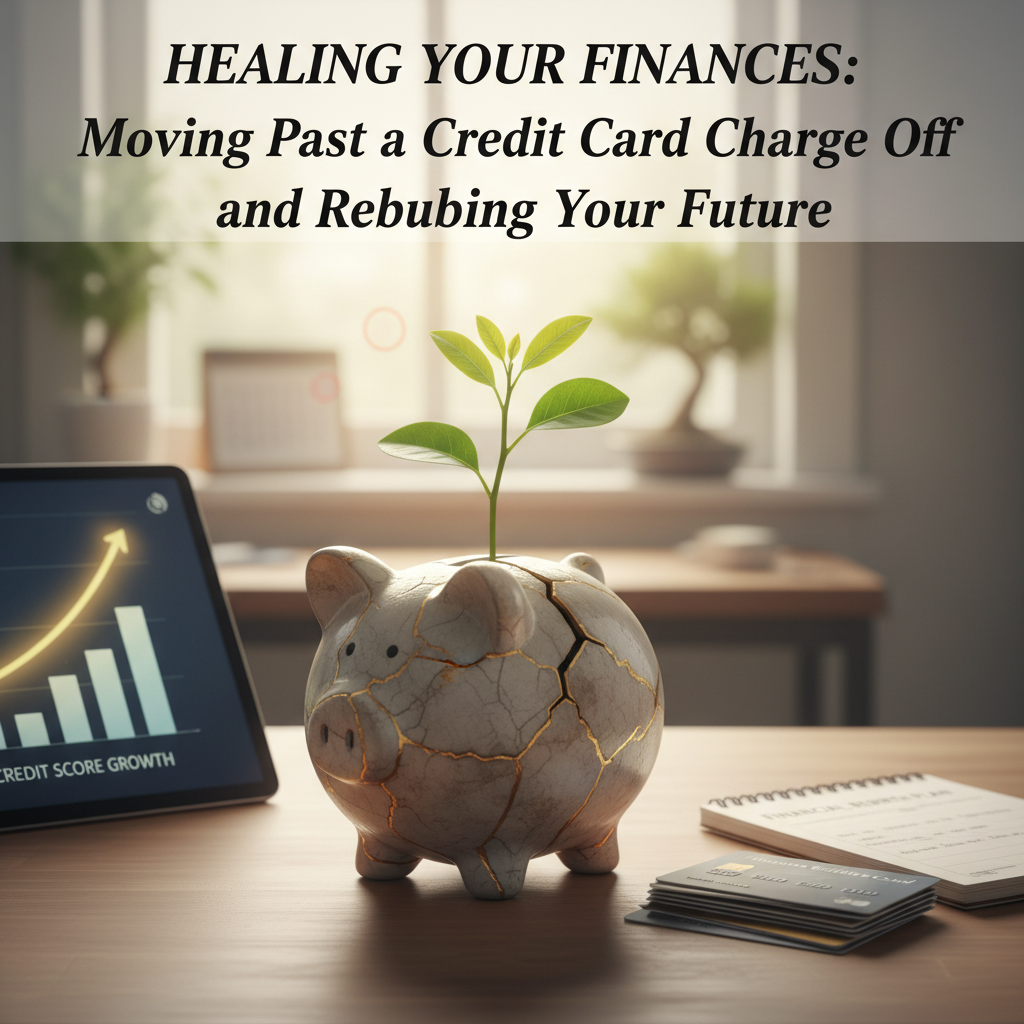
Dealing with a credit card charge-off can feel like a major financial setback, but it’s crucial to remember that it’s not the end of your financial journey. In fact, it can be a powerful catalyst for Healing Your Finances: Moving Past a Credit Card Charge Off and building a stronger, more secure financial future. This guide will walk you through understanding what a charge-off entails and, more importantly, how to recover and thrive.
Understanding What a Credit Card Charge-Off Means for You
First, let’s demystify what a charge-off really is. When your credit card account becomes severely delinquent – typically after 180 days (six months) of missed payments – the creditor usually writes it off as a loss on their books. This doesn’t mean the debt disappears; rather, the original creditor no longer expects to collect it directly. Instead, they might sell the debt to a third-party collection agency or assign it for collection.
The Immediate Impact on Your Credit Score
A charge-off is a very negative mark on your credit report and will significantly drop your credit score. It signals to future lenders that you’ve defaulted on a debt, making it harder to get approved for new credit, loans, or even housing. This item can stay on your credit report for up to seven years from the date of the original delinquency.

What Happens Next: Collections and Communication
Once an account is charged off, you’ll likely start receiving communications from collection agencies. It’s vital not to ignore these. While it can be stressful, engaging with them is a critical step in Healing Your Finances: Moving Past a Credit Card Charge Off.
Your Roadmap to Healing Your Finances: Actionable Steps
Recovery is absolutely possible, but it requires a strategic approach. Here are the steps to take:
Step 1: Assess Your Current Financial Situation
Before you do anything else, take a hard look at your income, expenses, and other debts. Create a detailed budget to understand exactly where your money is going and how much you can realistically allocate towards debt repayment. This clarity will be your foundation.
Step 2: Communicate with Your Creditor (or Collector)
Don’t be afraid to reach out. Many collection agencies are willing to negotiate. Your goal is to settle the debt, ideally for less than the full amount owed, or set up a manageable payment plan.
- Negotiate a Settlement: Offer a lump sum payment if possible. Often, collectors will accept 40-70% of the original debt to close the account.
- Payment Plan: If a lump sum isn’t feasible, propose a payment plan that fits your budget. Get any agreement in writing before making payments.
- Validate the Debt: Before paying, request a debt validation letter to ensure you owe the debt and that the collector has the right to collect it.
Step 3: Rebuild Your Credit Proactively
Paying off the charged-off debt is a huge step, but you also need to actively rebuild your credit profile. This is crucial for Healing Your Finances: Moving Past a Credit Card Charge Off in the long term.
- Secured Credit Cards: These require a deposit, which becomes your credit limit. Use them responsibly – make small purchases and pay them off in full and on time every month.
- Credit Builder Loans: Offered by some credit unions and banks, these loans are designed to help you build a payment history without needing collateral upfront.
- Authorized User: If a trusted family member with excellent credit is willing, becoming an authorized user on their card can help, provided they use it responsibly.
- Pay All Bills On Time: This includes utilities, rent, and any other loans. Payment history is the biggest factor in your credit score.

Step 4: Budgeting for a Better Future
A charge-off is often a symptom of underlying financial management issues. Develop a robust budget and stick to it. Focus on building an emergency fund to prevent future reliance on credit cards for unexpected expenses. Learning to live within your means is perhaps the most important lesson from this experience.
Keeping a Positive Mindset on Your Journey
Recovering from a charge-off is a marathon, not a sprint. There will be good days and challenging days. Celebrate small victories, stay disciplined, and remember that every step you take brings you closer to financial freedom. Your commitment to Healing Your Finances: Moving Past a Credit Card Charge Off will pay off.
Conclusion
While a credit card charge-off is undoubtedly a difficult experience, it offers a valuable opportunity for growth and learning. By understanding the situation, taking proactive steps to address the debt, and diligently rebuilding your credit and financial habits, you can successfully move past this setback and forge a healthier financial future. You’ve got this!