
Are you tired of high-interest rates eating away at your budget? It’s time to discover your personal financial haven by Finding Your Financial Sanctuary: The Credit Card with Lowest Interest Rate. For many, credit cards are an essential tool, but carrying a balance on a card with a high Annual Percentage Rate (APR) can quickly turn convenience into a financial burden. Shifting to a low-interest credit card can significantly reduce the cost of borrowing, freeing up more of your hard-earned money.
Why a Low-Interest Credit Card Matters for Your Wallet
Choosing a credit card isn’t just about rewards or sign-up bonuses; the interest rate plays a crucial role, especially if you anticipate carrying a balance. A low-interest credit card means less money spent on interest payments and more money available for savings, investments, or even a treat for yourself. It’s about being smart with your plastic.
The Hidden Costs of High APRs
High APRs can make even small balances grow rapidly. What might seem like a manageable monthly payment on a high-interest card often consists mostly of interest, with very little going towards the principal. Over time, this can feel like you’re running on a financial treadmill, never quite getting ahead.

What to Look For When Finding Your Financial Sanctuary: The Credit Card with Lowest Interest Rate
Finding the perfect low-interest card requires a bit of detective work. Here’s what you should keep an eye out for:
Understanding APR (Annual Percentage Rate)
The APR is the annual rate of interest charged on outstanding credit card balances. Always look for the lowest possible regular APR. Some cards offer introductory 0% APR periods, which can be a fantastic way to pay off existing debt without incurring new interest for a set amount of time.
Balance Transfer Offers
Many low-interest cards come with appealing 0% introductory APRs on balance transfers. This allows you to move high-interest debt from other cards onto the new card and pay it down interest-free for several months, or even over a year. Just be mindful of balance transfer fees, which typically range from 3-5% of the transferred amount.
Regular Purchase APR
After any introductory period, the regular purchase APR kicks in. This is the rate you’ll pay on new purchases if you don’t pay your statement balance in full each month. This is the rate you’ll live with long-term, so make sure it’s as low as possible.
Fees and Charges
Besides interest rates, also consider annual fees, late payment fees, and foreign transaction fees. The best low-interest cards often have no annual fee, making them even more cost-effective.
How to Find the Best Low-Interest Credit Card for You
- Check Your Credit Score: Lenders reserve the best low-interest rates for applicants with excellent credit scores. Knowing your score will give you a realistic idea of what cards you might qualify for.
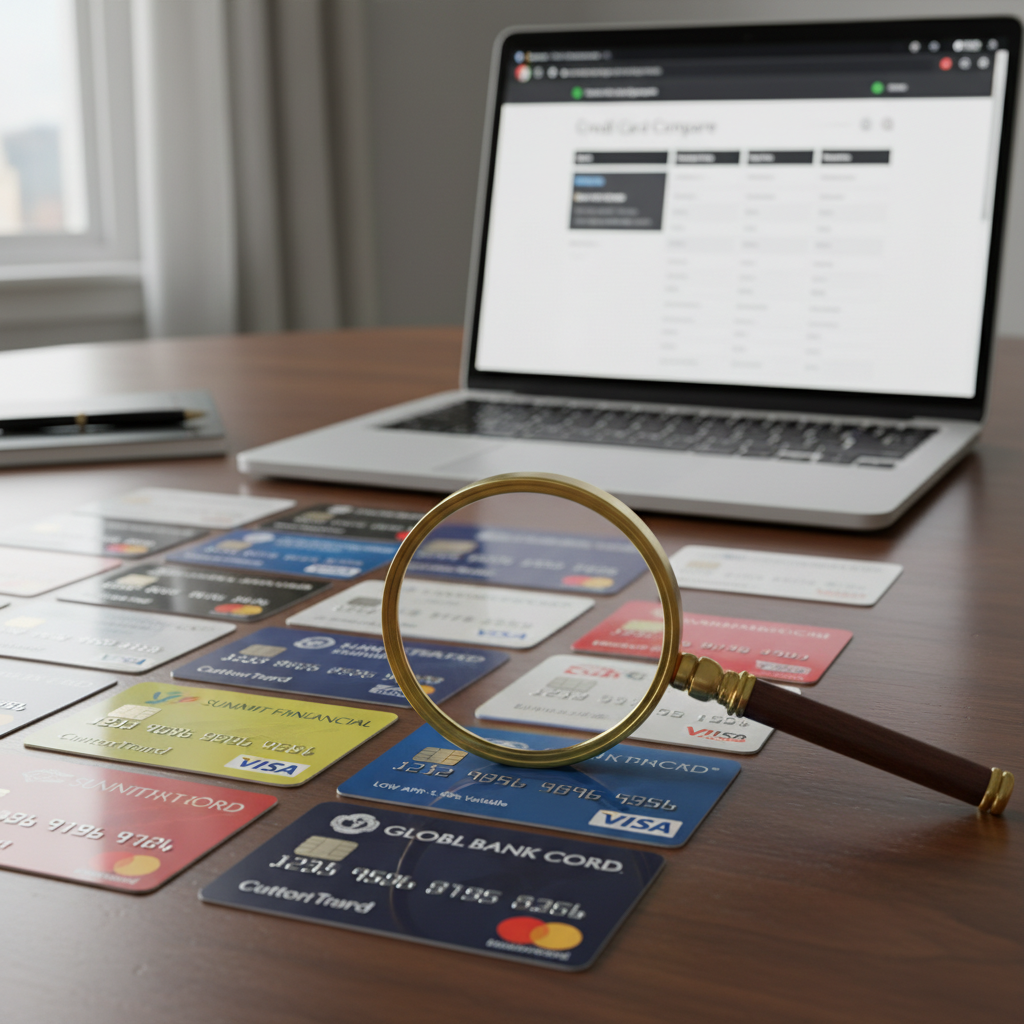
- Compare Offers: Don’t just pick the first card you see. Use online comparison tools and visit bank websites to compare different cards side-by-side. Pay close attention to the fine print, especially after the introductory period.
- Read Reviews: See what other users are saying about the card’s customer service and ease of use.
Embarking on the journey of Finding Your Financial Sanctuary: The Credit Card with Lowest Interest Rate is a smart move towards better financial health. By understanding what to look for and taking the time to compare your options, you can significantly reduce your debt burden and achieve greater financial peace of mind. Make the switch today and start saving!