

Ever wondered what having a credit card 3000 limit really means for your financial journey? It’s more than just a number; it’s a stepping stone that can significantly impact your credit health and purchasing power. In this article, we’ll dive deep into understanding the value of a credit card 3000 limit, exploring its benefits, potential pitfalls, and smart management strategies to help you make the most of it.
What Does a $3000 Credit Limit Mean for You?
For many, a $3000 credit card limit represents a solid starting point or a healthy increase from an introductory limit. It indicates that lenders trust you with a moderate amount of credit, often based on your initial credit score and income. This isn’t an astronomically high limit, nor is it restrictively low, positioning it as a ‘sweet spot’ for building and maintaining good credit.
Having a $3000 limit gives you:
- Flexibility: Enough room for daily expenses and occasional larger purchases.
- Responsibility: It’s a manageable amount that encourages good financial habits.
- Credit Building Potential: A great tool to establish a positive payment history.
The Perks of Having a $3000 Credit Limit
There are several advantages to holding a credit card with a $3000 limit, especially when managed wisely.
Building Credit History
Perhaps the biggest benefit is its power to help you build a robust credit history. Consistent, on-time payments on a card with this limit demonstrate your reliability to future lenders, which is crucial for big life purchases like a car or a home.
Emergency Fund Backup
While not a substitute for a true emergency fund, a credit card with a $3000 limit can act as a crucial safety net for unexpected expenses. Think car repairs, medical bills, or urgent home maintenance. It offers peace of mind knowing you have immediate access to funds if needed.
Increased Purchasing Power
Whether it’s for a planned home appliance upgrade, a holiday trip, or simply managing monthly bills, a $3000 limit provides substantial purchasing power compared to cards with much lower limits. This flexibility can be incredibly convenient.
Lower Credit Utilization Ratio Potential
If you only use a small portion of your $3000 limit each month (e.g., $300), your credit utilization ratio will be a healthy 10%. Keeping this ratio low (ideally below 30%) is excellent for your credit score, making a $3000 limit very advantageous if you don’t max it out.

Navigating the Potential Pitfalls
While the benefits are clear, it’s vital to be aware of the potential downsides if a $3000 credit card limit isn’t managed responsibly.
Temptation to Overspend
The most common pitfall is the temptation to spend up to your limit. Just because you can spend $3000 doesn’t mean you should. Overspending can quickly lead to debt and make it harder to pay off your balance.
High Interest Rates
If you carry a balance on your $3000 limit, especially with higher APRs, interest charges can accumulate rapidly. This makes your purchases significantly more expensive and can trap you in a cycle of debt.
Negative Impact on Credit Score
Maxing out your credit card or making late payments will negatively impact your credit score. A high credit utilization ratio signals to lenders that you might be over-reliant on credit, potentially hindering future borrowing opportunities.
Smart Strategies for Managing Your $3000 Limit
To truly benefit from understanding the value of a credit card 3000 limit, mastering smart management strategies is key.
Pay Your Bills On Time
This is non-negotiable. Always make at least the minimum payment by the due date. Better yet, pay your full balance to avoid interest charges and keep your credit score healthy.
Keep Your Credit Utilization Low
Aim to use no more than 30% of your $3000 limit (i.e., keep your balance below $900). For optimal results, many financial experts recommend keeping it even lower, around 10%.
Monitor Your Spending
Create a budget and stick to it. Track your purchases to ensure you’re not overspending and staying within your financial comfort zone. Utilize online banking tools or budgeting apps.
Understand Your Card’s Terms
Be familiar with your card’s APR, annual fees (if any), late payment fees, and rewards program. Knowledge is power when it comes to managing your credit.
Regularly Review Statements
Check your monthly statements for any errors, unauthorized transactions, or unexpected fees. This helps you stay in control and catch issues early.
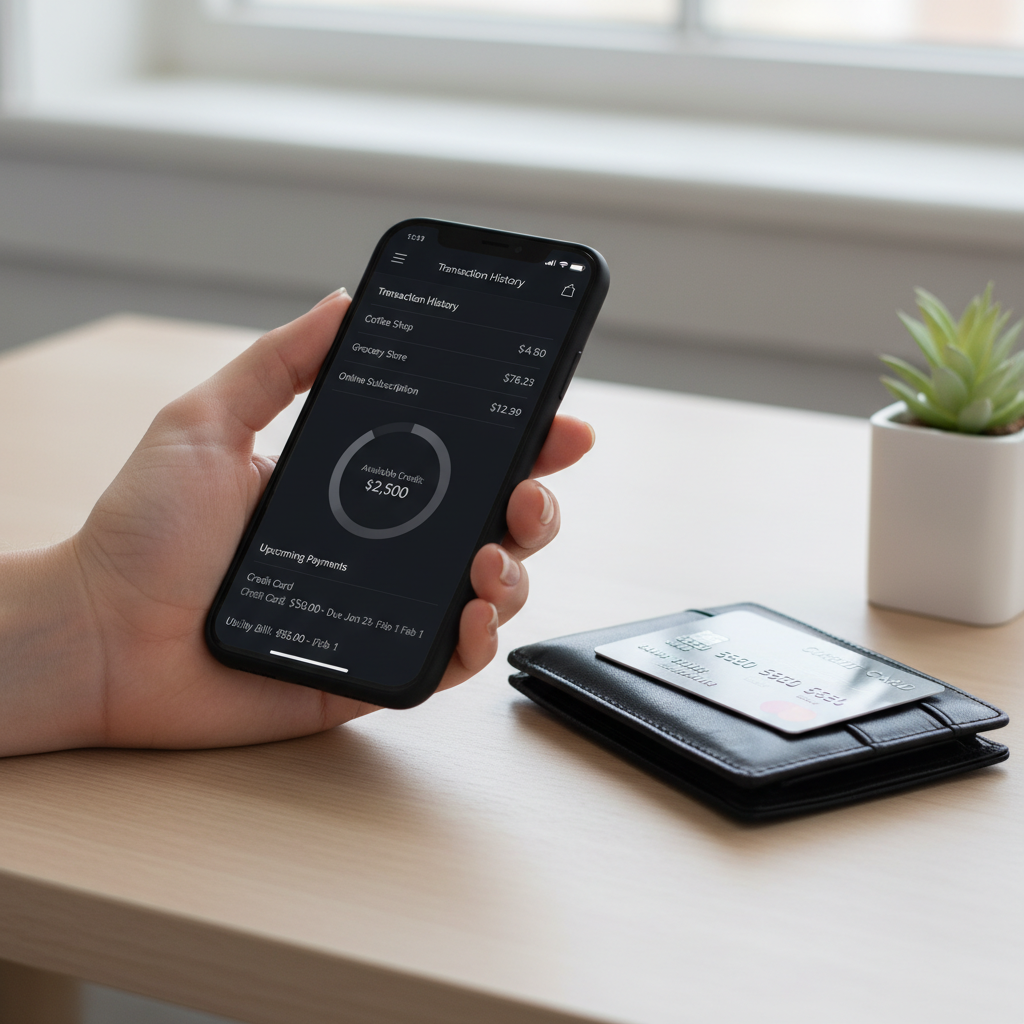
In conclusion, understanding the value of a credit card 3000 limit is about recognizing its potential as a powerful financial tool. When used responsibly, it can be instrumental in building a strong credit profile, providing financial flexibility, and offering peace of mind. Manage it wisely, and your $3000 limit can indeed unlock significant financial potential for you.